What Is Drone Solar Panel Inspection?
Drone solar panel inspection uses thermal infrared cameras mounted on drones to scan photovoltaic (PV) arrays from above, detecting defects that reduce energy output. In Singapore, where rooftop solar adoption is growing rapidly under the EMA's solar deployment roadmap, regular inspection ensures systems deliver their designed performance and maintains manufacturer warranty compliance.
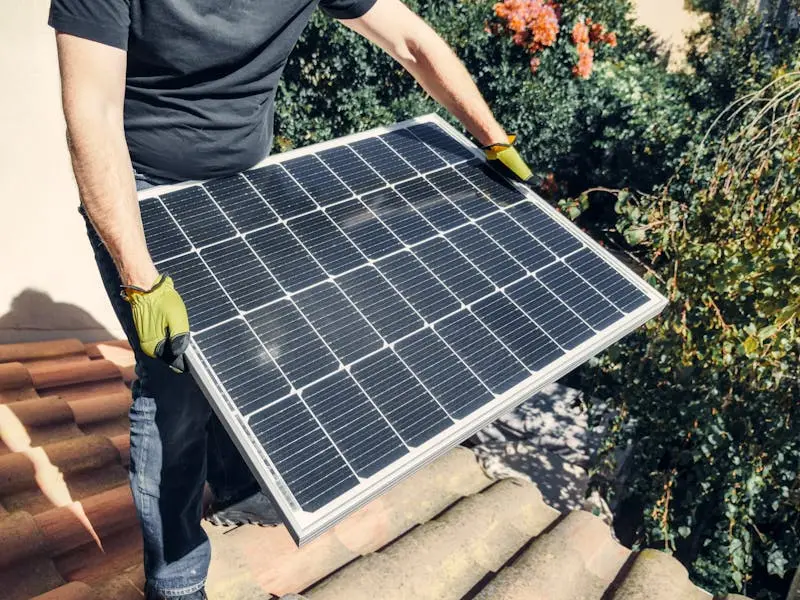
A healthy solar cell operates at a uniform temperature under load. When a cell is cracked, a bypass diode has failed, or a connection is loose, that cell or string generates excess heat visible as a thermal hotspot. These hotspots are invisible to the naked eye but clearly visible on a FLIR thermal camera. Left undetected, hotspots degrade surrounding cells, reduce string output, and can create fire risks.
Singapore receives approximately 1,580 kWh/m2 of solar irradiance annually — strong enough for productive solar generation but also intense enough to accelerate panel degradation. High UV exposure, humidity above 80%, frequent heavy rain, and Singapore's active lightning zone all contribute to panel wear. Annual thermal inspection catches developing defects before they compound into significant output losses.
Defects We Detect on Solar Panels
Cell Hotspots
Individual cells operating above normal temperature indicate cracking, internal short circuits, or potential-induced degradation (PID). A single hotspot cell can reduce the output of its entire string by 30% or more.
Bypass Diode Failures
Failed bypass diodes cause one-third of a panel to appear uniformly hot in thermal imaging. This signature is unmistakable and indicates the panel needs immediate attention to prevent further degradation.
Soiling and Shading
Bird droppings, dust accumulation, leaf debris, and partial shading from nearby structures reduce panel output. Thermal imaging reveals soiling patterns that indicate cleaning schedules need adjustment.
Junction Box Overheating
Loose or corroded connections in junction boxes generate excess heat. Thermal cameras identify overheating junction boxes before they cause complete circuit failure or fire hazard.
Delamination and Snail Trails
Moisture ingress between glass and encapsulant causes delamination and snail trail marks. Visual and thermal imaging combined identify panels with compromised encapsulation that will degrade rapidly.
String-Level Underperformance
Comparing thermal signatures across strings reveals entire strings operating below expected levels — indicating inverter issues, cabling faults, or multiple panel defects within a single string.
Our Solar Panel Inspection Process
System Information Review
We review your solar array specifications — panel count, layout, inverter configuration, and any known performance issues. This helps us plan the inspection flight and calibrate our analysis baseline.
Scheduled Flight During Peak Sun
Inspections are scheduled between 10am and 2pm under clear skies when solar irradiance exceeds 500 W/m2. Panels must be under load for thermal anomalies to be visible. The drone captures both thermal and high-resolution visual imagery of every panel.
Panel-by-Panel Analysis
Every panel is individually assessed in the thermal imagery. Defects are classified by type (hotspot, diode failure, soiling, delamination), severity (minor, moderate, critical), and location (panel ID, string, inverter).
Report with Prioritised Actions
A comprehensive report maps every defect to its physical location in the array. Estimated output loss per defect is calculated. Remedial actions are prioritised by cost-benefit — addressing the defects with the greatest impact on system performance first. Delivered within 5-7 working days.
Solar Panel Inspection Pricing in Singapore
Pricing is based on array size and inspection scope. All prices include CAAS permits, data capture, panel-by-panel analysis, and comprehensive reporting.
| Array Size | Typical Application | Price Range |
|---|---|---|
| Up to 100 panels | Small commercial rooftop | $1,000 — $1,500 |
| 100-500 panels | Medium commercial / industrial | $1,500 — $2,000 |
| 500-2,000 panels | Large industrial / warehouse roof | $2,000 — $2,500 |
| 2,000+ panels | Solar farm / large-scale installation | $2,500 — $3,000 |
| Annual contract (2+ visits) | Any size — repeat inspections | 10-15% discount per visit |
ROI on inspection: A single defective panel costing $300 to replace can reduce string output by 30%. On a 500-panel commercial system generating $50,000 annually, undetected defects affecting 5% of panels can cost $5,000-$10,000 per year in lost generation. A $1,500 inspection that catches these defects pays for itself within months.
Why Solar Panel Inspection Matters in Singapore
- Warranty Compliance — most panel manufacturers require documented inspection and maintenance records as warranty conditions. Our reports provide the evidence needed for warranty claims when defects are found.
- Maximise ROI — solar systems represent significant capital investment. Regular inspection ensures you capture the full designed output, protecting your return on investment over the system's 25-year lifespan.
- EMA Compliance — Singapore's Energy Market Authority requires solar installations above certain capacities to meet performance and safety standards. Documented inspection supports compliance obligations.
- Fire Risk Prevention — hotspots, arc faults, and junction box overheating are fire hazards. Thermal inspection identifies these risks before they escalate, protecting the building and its occupants.
- Insurance Requirements — some insurers require proof of regular solar system inspection as a condition of building insurance coverage. Our inspection reports satisfy these requirements.
Singapore Solar Installations We Inspect
We inspect solar arrays across all building types in Singapore — from small commercial rooftops to large industrial installations. Common locations include factory rooftops in Tuas and Jurong, commercial buildings in the CBD, warehouse roofs in Changi and Loyang, HDB multi-storey car parks with rooftop solar, and ground-mounted arrays at water treatment plants and reservoirs.
Singapore's SolarNova programme has deployed solar panels across thousands of HDB blocks and government buildings. We provide inspection services for managing agents and solar leasing companies responsible for maintaining these installations. Combined with our roof inspection service, we offer a comprehensive rooftop assessment covering both the solar array and the roof structure beneath it.
Frequently Asked Questions
Get a Free Solar Panel Inspection Quote
Share your array size, location, and panel count — we reply with a fixed-price quote within 24 hours.