What Is Shipyard Drone Inspection?
Shipyard drone inspection is the use of aerial and confined space drones to assess the condition of vessels during dry dock periods, repair projects, and routine maintenance. In Singapore — the world's largest transhipment port and a major ship repair hub — drone inspection helps shipyards, ship owners, and classification society surveyors complete vessel assessments faster, safer, and with more comprehensive documentation than traditional methods.
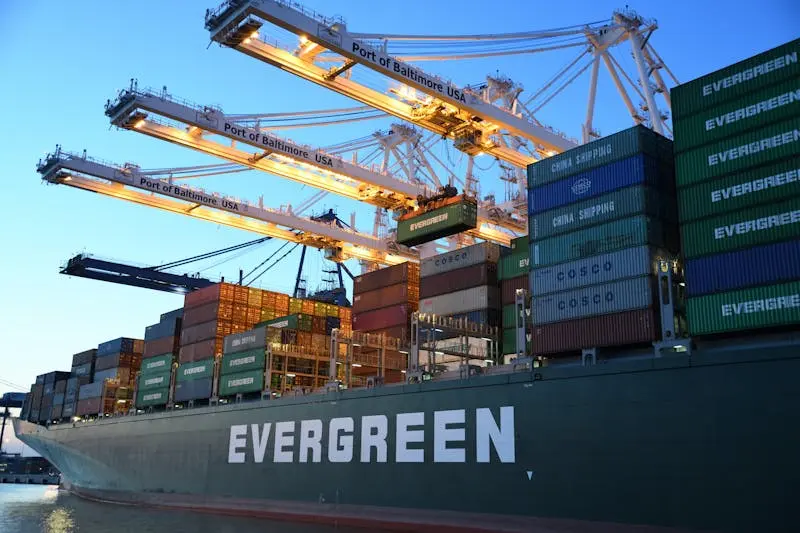
Singapore's shipyard industry, concentrated in Tuas and Jurong, services thousands of vessels annually. Dry dock time is expensive — every additional day costs the ship owner $20,000 to $100,000 in dock rental, crew costs, and lost revenue. Drone inspection compresses the inspection phase of dry docking by eliminating scaffolding installation, reducing confined space entry, and enabling parallel inspection of multiple areas.
We deploy two types of drones for shipyard work: outdoor drones for external hull surveys, superstructure inspection, and deck assessment; and the Flyability Elios 3 confined space drone for internal inspection of cargo holds, ballast tanks, void spaces, and chain lockers. This combined capability provides a comprehensive vessel assessment solution.
Vessel Areas We Inspect
External Hull
Complete shell plating survey from waterline to keel. Coating condition, corrosion mapping, weld seam assessment, anode condition, and sea chest inspection. The drone flies along the hull surface in dry dock, capturing every plate and frame.
Cargo Holds
Internal structural inspection of cargo hold frames, shell plating, hatch coamings, tank top plating, and ladder/access structures using the Flyability Elios 3. No scaffolding or staging required inside the hold.
Ballast Tanks
Internal assessment of ballast tank coating condition, structural members, stiffeners, and welds. Ballast tanks are among the most dangerous confined spaces on a vessel — drone inspection eliminates entry risks.
Superstructure and Deck
Aerial survey of superstructure condition, deck equipment, crane structures, mast and rigging, ventilation systems, and lifeboat davits. Captures areas that are difficult or dangerous to access by ladder.
Underwater Appendages
In dry dock, drones inspect rudder condition, propeller blades, stern tube seals, bilge keels, and thruster tunnels. Close-range photography documents surface condition and identifies damage requiring repair.
Offshore Platforms and Rigs
Structural inspection of jack-up rigs, semi-submersibles, and floating production units. Leg structures, cantilever beams, derrick structures, and flare booms assessed without rope access or scaffolding.
MPA and Classification Society Compliance
The Maritime and Port Authority of Singapore (MPA) oversees vessel safety standards for Singapore-flagged ships and vessels operating in Singapore waters. Classification societies — Lloyd's Register, DNV, Bureau Veritas, ABS, ClassNK, and RINA — conduct statutory and class surveys that require detailed inspection of vessel structures.
Major classification societies have formally approved the use of drones as Remote Inspection Techniques (RIT) for class surveys. Under these approvals, the class surveyor directs the drone pilot to inspect specific areas, views the live camera feed in real time, and uses the captured data to make their professional assessment. The surveyor remains in control of the inspection scope — the drone simply provides the visual access.
Our team has experience working alongside classification society surveyors during dry dock surveys. We understand the specific inspection points, documentation requirements, and reporting formats that each class society expects. We coordinate our flight plans with the surveyor's inspection checklist to ensure every required area is covered and documented.
Shipyard Drone Inspection Pricing in Singapore
Pricing depends on vessel size, inspection scope, and the combination of external and internal drone services required. All quotes include mobilisation, CAAS permits, data capture, analysis, and reporting.
| Inspection Scope | Vessel Size | Price Range |
|---|---|---|
| External Hull Survey | Up to 150m LOA | $5,000 — $10,000 |
| External Hull Survey | 150-300m LOA | $10,000 — $15,000 |
| Cargo Hold Inspection (per hold) | Any size | $5,000 — $10,000 |
| Ballast Tank Inspection (per tank) | Any size | $5,000 — $8,000 |
| Superstructure and Deck Survey | Any size | $3,000 — $8,000 |
| Full Vessel Package | Hull + holds + tanks + deck | $20,000 — $50,000 |
Dry dock cost savings: Scaffolding inside a cargo hold costs $15,000 to $30,000 and takes 2-3 days to erect and dismantle. A drone inspects the same hold in 2-4 hours with no staging required. For a vessel with 5 cargo holds, eliminating scaffolding saves $75,000 to $150,000 and 10-15 days of dry dock time — potentially saving the ship owner $200,000+ in reduced dock rental alone.
Our Shipyard Inspection Process
Pre-Dock Coordination
We coordinate with the shipyard, ship owner, and classification surveyor before the vessel enters dry dock. Inspection scope, vessel drawings, and access requirements are reviewed. CAAS permits and shipyard access passes are secured.
External Hull Survey
Once the vessel is in dry dock and the dock is pumped down, our outdoor drones systematically survey the hull from waterline to keel. High-resolution imagery captures every plate, weld, anode, and appendage. Typical survey time: 2-4 hours per vessel.
Internal Confined Space Inspection
The Flyability Elios 3 enters cargo holds, ballast tanks, and void spaces through access hatches. The pilot and surveyor view the live feed together, with the surveyor directing the drone to areas of interest. No human entry, no scaffolding, no ventilation setup for the drone.
Data Analysis and Reporting
All captured data is processed into a comprehensive vessel condition report. Defects are mapped to vessel drawings, classified by severity, and correlated between external and internal findings. Reports support class survey submissions and repair work scope development. Delivered within 7-14 working days.
Singapore Shipyards We Serve
We operate at all major shipyard facilities in Singapore, with established access protocols and safety certifications for each yard.
- Tuas Shipyard Cluster — Sembcorp Marine, Keppel Shipyard, and multiple independent repair yards along Tuas South and Tuas West. Singapore's largest concentration of ship repair and conversion facilities.
- Jurong Shipyard — legacy yard facilities handling a wide range of vessel types from harbour craft to large commercial vessels.
- Keppel FELS — offshore rig construction and repair yard specialising in jack-up rigs, semi-submersibles, and FPSO conversions.
- ST Engineering Marine — naval and commercial vessel maintenance, repair, and conversion facilities.
- Port Facilities — PSA terminals, Jurong Port, and anchorage locations for vessel inspections outside dry dock environments.
Why Choose Drone Inspection for Shipyard Work
- Reduce Dry Dock Duration — eliminate days of scaffolding installation and dismantling inside cargo holds and around the hull. Get the vessel back in service sooner.
- Lower Inspection Costs — save $75,000 to $150,000 on scaffolding for a typical multi-hold bulk carrier. Drone inspection costs a fraction of traditional staging methods.
- Eliminate Confined Space Entry Risks — ballast tanks and void spaces are among the most dangerous confined spaces. The drone enters while all personnel remain safely outside.
- Classification Society Accepted — major class societies approve drones as Remote Inspection Techniques. Our team works directly with surveyors to meet their assessment requirements.
- Comprehensive Digital Documentation — thousands of high-resolution images create a permanent, searchable record of vessel condition at each dry docking for comparison over the vessel's lifecycle.
Frequently Asked Questions
Get a Free Shipyard Inspection Quote
Share vessel details, dry dock dates, and inspection scope — we reply with a comprehensive quote within 24 hours.