What Is Telecom Tower Drone Inspection?
Telecom tower drone inspection uses unmanned aerial vehicles to visually assess the structural condition, antenna installations, cabling, and hardware on cell towers and rooftop telecommunications infrastructure. In Singapore, where the national 5G network rollout is adding thousands of new antenna sites and densifying existing networks, regular tower inspection is essential for maintaining infrastructure reliability and safety.
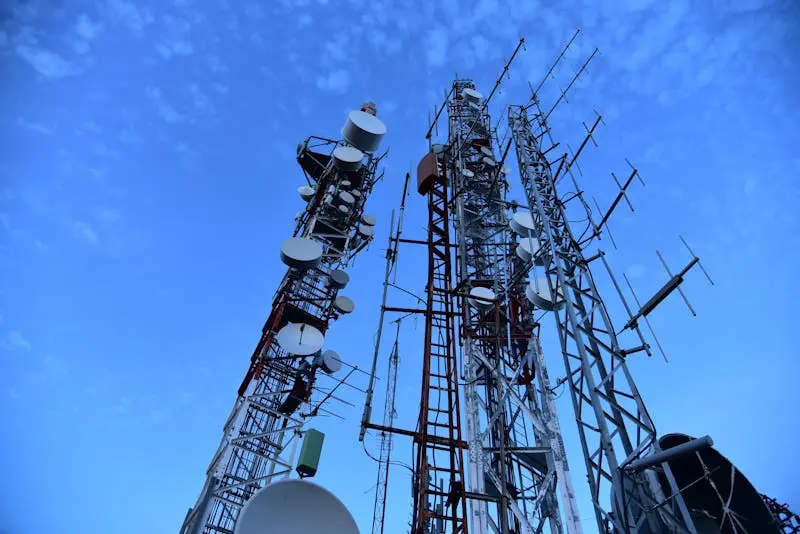
Traditional tower inspection requires certified climbers to ascend the tower using fall arrest systems — a slow, expensive, and inherently dangerous process. A single tower climb takes 4-8 hours and exposes technicians to fall risks, RF radiation, and weather hazards. A drone completes the same visual inspection in 1-2 hours from a safe distance, capturing 48MP imagery of every tower section, antenna mount, cable run, and structural connection.
Singapore's tower infrastructure ranges from standalone lattice towers and monopoles at greenfield sites to rooftop cell sites on commercial buildings, HDB blocks, and industrial buildings. Each installation type presents different inspection challenges that drone technology addresses more safely and efficiently than traditional climbing methods.
What We Inspect on Telecom Towers
Structural Steelwork
Tower legs, bracing members, horizontal members, and connection plates are inspected for corrosion, deformation, cracking, and paint system deterioration. Singapore's coastal humidity accelerates steel corrosion, particularly on towers near the coast.
Antenna and Mounting Hardware
Panel antennas, microwave dishes, and small cell equipment are checked for physical damage, mounting bracket integrity, tilt alignment, and weatherproofing seal condition. Misaligned antennas affect network coverage and performance.
Cabling and Cable Management
Feeder cables, fibre runs, power cables, and grounding conductors are assessed for routing compliance, damage, UV degradation, and proper weatherproofing at entry points. Cable tray and ladder condition is documented.
Bolts and Connections
Flanged connections, U-bolts, and structural bolts are inspected for missing fasteners, loose connections, and corrosion. High-resolution zoom capabilities capture individual bolt condition at every connection point.
Aviation Lighting
Tower obstruction lights are checked for operation, lens condition, and mounting integrity. Non-functional aviation lights are a safety hazard and regulatory non-compliance issue under CAAS requirements.
Corrosion Assessment
Surface corrosion, section loss, galvanic corrosion at dissimilar metal joints, and paint system failure are documented and classified by severity. Thermal imaging can reveal moisture-related corrosion beneath surface coatings.
Our Tower Inspection Process
Site Coordination
We coordinate with the tower owner/operator to obtain site access, confirm active equipment locations, and identify safe operating distances from transmitting antennas. CAAS activity permits are secured for the tower location.
360-Degree Data Capture
Our pilots fly systematic orbits around the tower at multiple elevations, capturing high-resolution imagery of every face and every component. Close-up shots of critical connections, hardware, and defect areas supplement the full-tower coverage. Typical flight time is 1-2 hours.
Condition Assessment
All imagery is reviewed and analysed. Structural members, antennas, cabling, and hardware are assessed against industry standards. Defects are classified by type, location, and severity. A 3D model of the tower can be generated for asset management use.
Report and Recommendations
A comprehensive tower condition report is delivered within 5-7 working days. The report includes annotated imagery of every identified defect, an overall structural condition rating, and prioritised maintenance recommendations.
Telecom Tower Inspection Pricing in Singapore
Pricing depends on tower type, height, number of antenna platforms, and inspection scope. Volume discounts are available for multi-site inspections.
| Tower Type | Height Range | Price Range |
|---|---|---|
| Rooftop Cell Site | Building height + 3-10m | $2,000 — $3,000 |
| Monopole Tower | 15-40m | $3,000 — $5,000 |
| Lattice Tower | 30-60m | $4,000 — $6,000 |
| Guyed Mast | 40-100m | $5,000 — $8,000 |
| Multi-Site Package (5+ towers) | Any type | 15-25% volume discount |
Compare to tower climbing: A certified tower climber team costs $5,000 to $15,000 per tower inspection including mobilisation, safety equipment, and standby rescue. Tower climbs take 4-8 hours with weather delays common. Drone inspection is 50-70% cheaper, 75% faster, and eliminates all fall risks.
Why Drone Inspection for Telecom Towers
- Zero Fall Risk — tower climbing is among the most dangerous jobs globally. Drone inspection removes this risk entirely while capturing superior imagery from controlled, stable camera positions.
- No Service Interruption — the drone operates outside the near-field radiation zone. Tower equipment remains active during inspection — no network downtime or subscriber impact.
- Faster Multi-Site Programmes — inspect 3-5 towers per day versus 1 tower per day with climbing teams. Complete a network-wide inspection programme in weeks rather than months.
- Consistent Documentation — every tower is inspected using the same flight methodology, producing standardised, comparable reports across your entire tower portfolio.
- Digital Asset Record — high-resolution imagery creates a permanent digital record of tower condition. Compare inspections over time to track deterioration rates and plan maintenance proactively.
Singapore Telecom Infrastructure Context
Singapore's telecommunications infrastructure is managed primarily by Singtel, StarHub, M1, and tower companies operating thousands of cell sites across the island. The 5G network rollout is significantly increasing antenna density, with new small cells, macro sites, and distributed antenna systems being installed across Tuas, Jurong, CBD, Changi, Woodlands, and residential estates.
IMDA (Infocomm Media Development Authority) oversees telecommunications infrastructure standards in Singapore. Tower owners must ensure structural integrity, maintain aviation obstruction lighting, and comply with RF emission standards. Regular drone inspection supports these obligations with documented evidence of tower condition and compliance.
Our team has inspected rooftop installations on HDB blocks, commercial buildings, industrial facilities, and standalone towers across Singapore. We understand the specific access, coordination, and airspace requirements for each site type and handle all CAAS and site access logistics on your behalf.
Frequently Asked Questions
Get a Free Tower Inspection Quote
Share your tower location, type, and inspection requirements — we reply with a fixed-price quote within 24 hours.