Drone Hull Inspection for Singapore's Maritime Industry
Singapore is the world's busiest transhipment port and a major ship repair hub, with shipyards across Tuas, Sembawang, and Jurong handling thousands of vessels annually. Hull inspection is a critical part of vessel maintenance and classification surveys — assessing coating condition, corrosion extent, structural integrity, and marine growth to determine repair requirements.
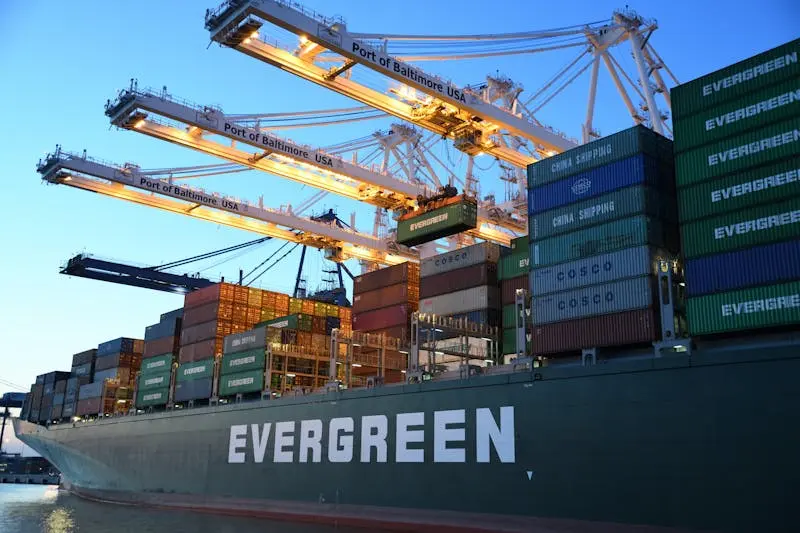
Traditional hull inspection requires scaffolding inside dry docks, cherry pickers alongside quay walls, or divers for underwater assessment. Drone technology complements these methods by providing rapid, comprehensive above-waterline coverage. During dry docking, drones capture detailed imagery of the entire hull surface in hours rather than the days required for scaffold-based access. At anchorage, drones inspect exposed hull areas, deck equipment, and superstructures without the vessel entering dock.
For ship owners, ship managers, and classification societies operating in Singapore, drone hull inspection reduces survey time, lowers dry dock costs, and creates detailed digital records that support maintenance planning and class renewal submissions.
Hull Inspection Capabilities
Dry Dock Surveys
Complete hull surface photography from waterline to keel, capturing coating condition, corrosion, cathodic protection anode condition, and hull appendages.
At-Anchorage Inspection
Above-waterline hull condition, deck equipment, hatch covers, crane structures, and mooring equipment assessed without entering dry dock.
Internal Cargo Hold
Confined space drones inspect cargo hold coatings, structural members, hatch coaming, and tank top condition without scaffold erection.
Superstructure Survey
Bridge wings, mast structures, antenna platforms, funnel condition, and accommodation block exteriors inspected from all angles.
Hull Inspection Pricing
| Vessel Size | External Hull | External + Internal |
|---|---|---|
| Under 100m LOA | $3,000 — $5,000 | $5,000 — $8,000 |
| 100 — 200m LOA | $5,000 — $8,000 | $8,000 — $13,000 |
| Over 200m LOA | $8,000 — $15,000 | $13,000 — $22,000 |
Pricing assumes dry dock access for external hull. At-anchorage above-waterline surveys are priced separately. Contact us for vessel-specific quotations.
Frequently Asked Questions
Get a Free Inspection Quote
WhatsApp us your project details — we reply with a quote within 2 hours. No obligation.